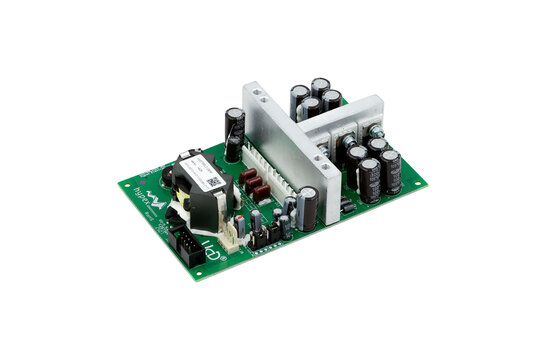
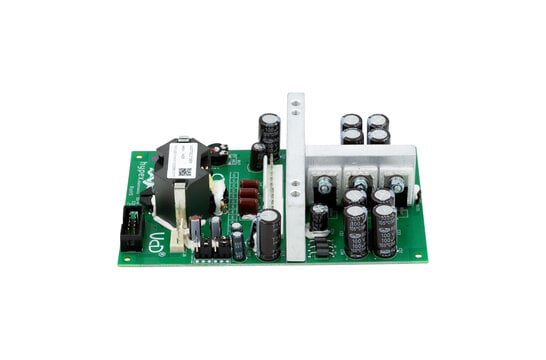
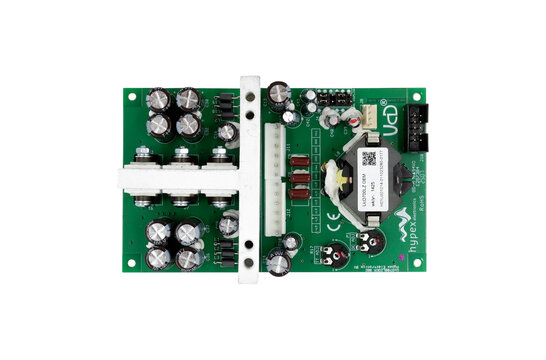
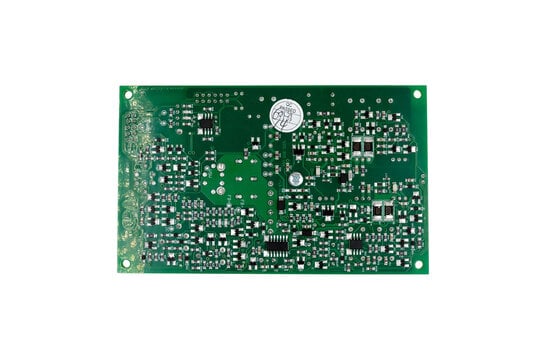
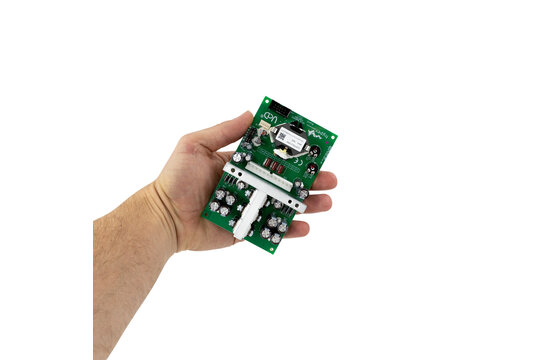
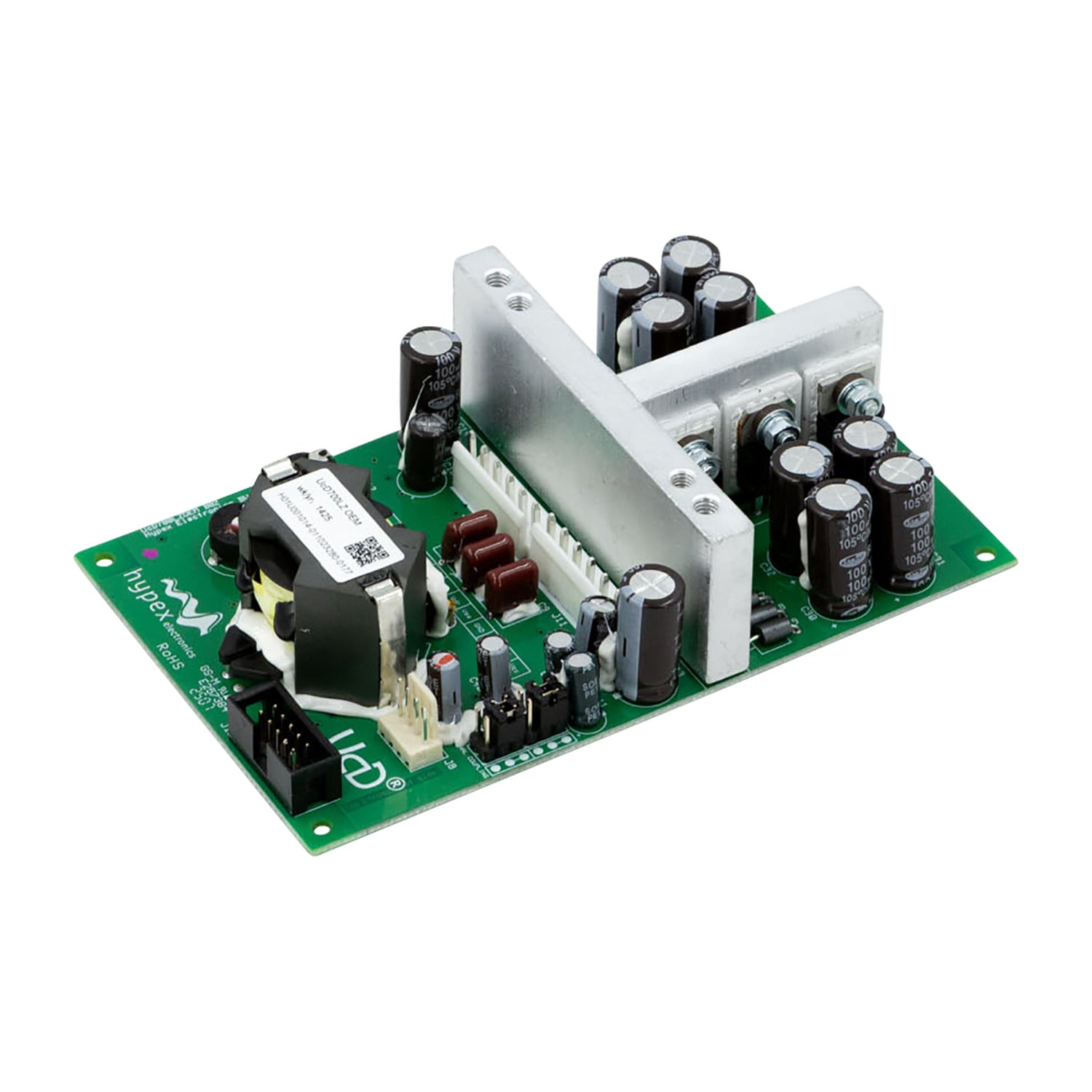
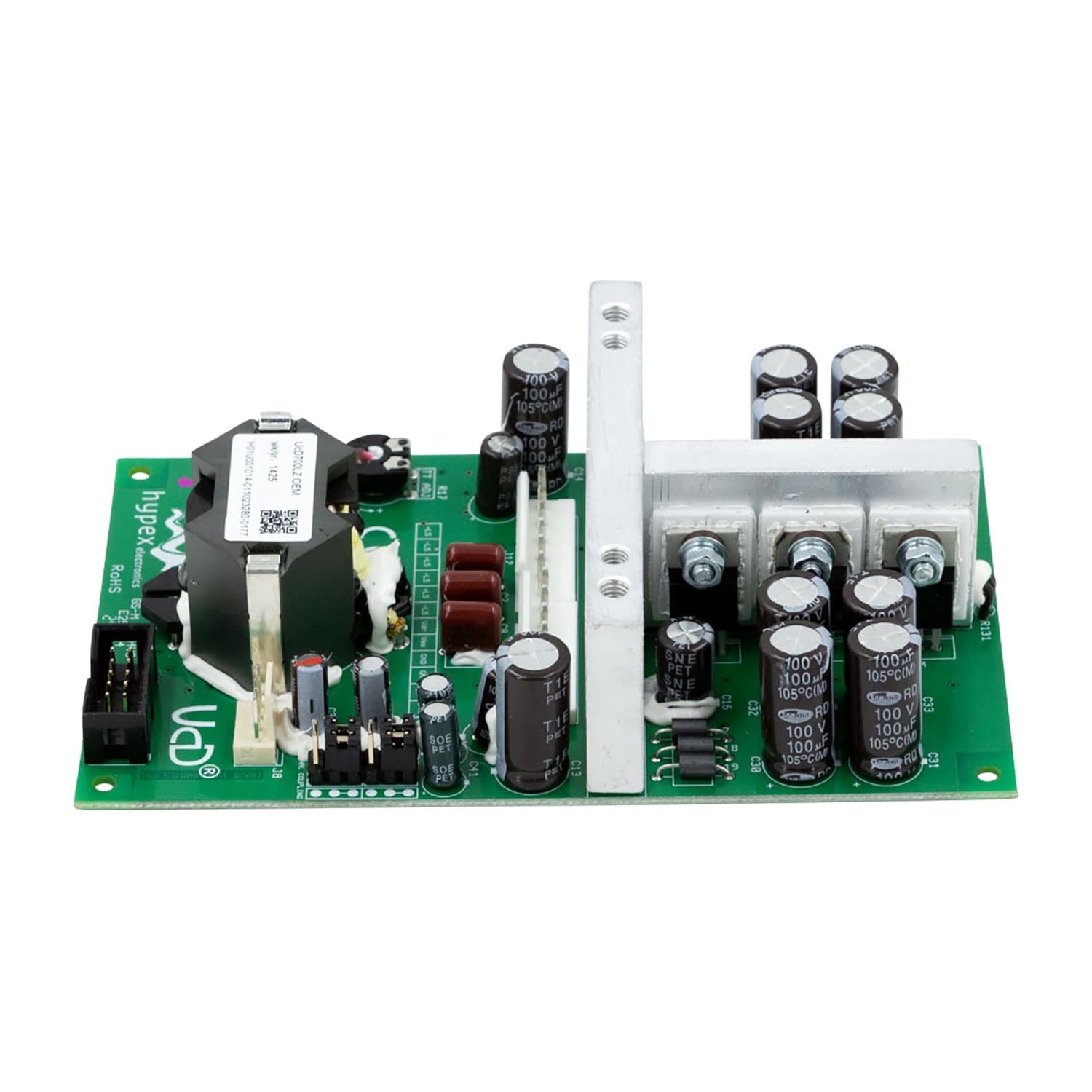
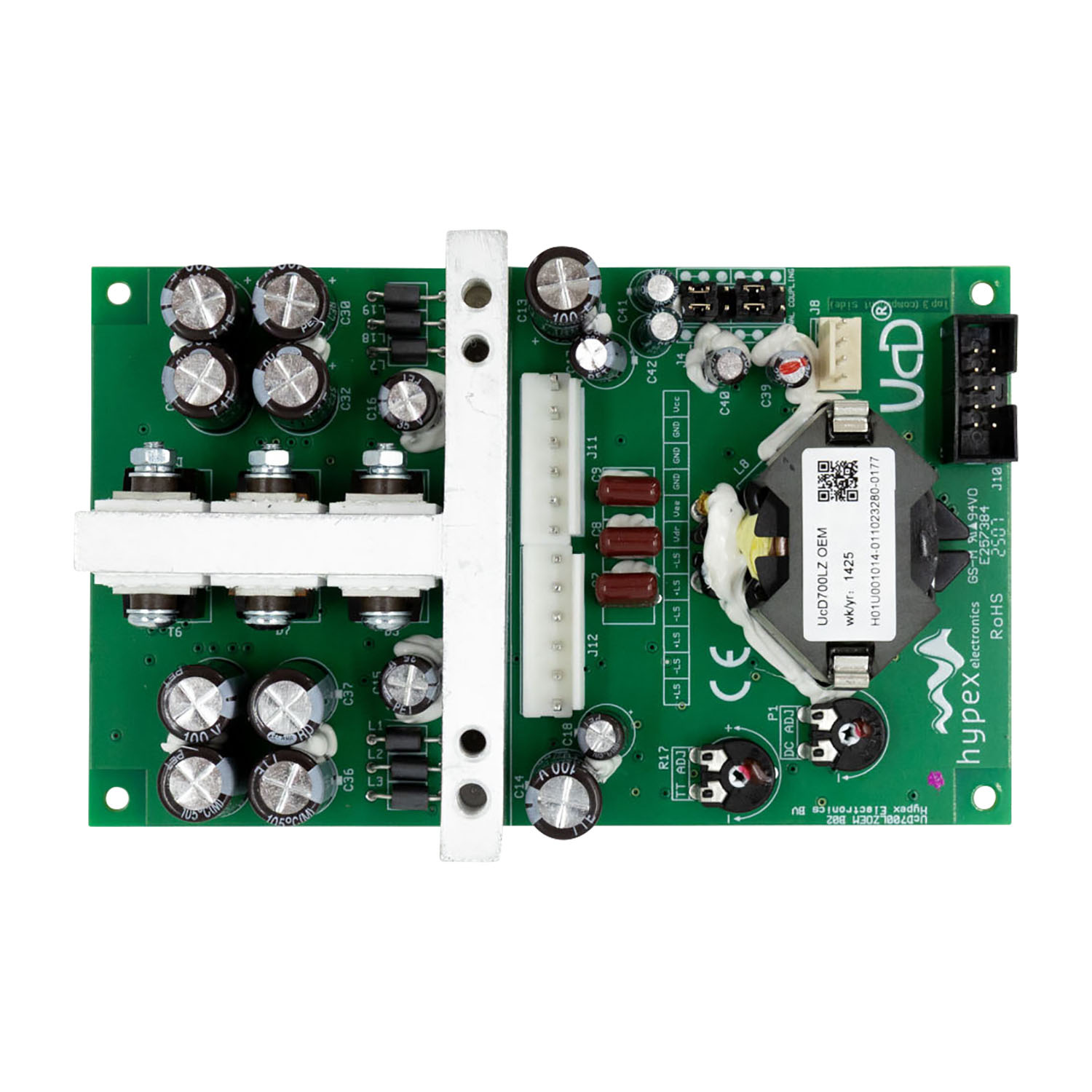
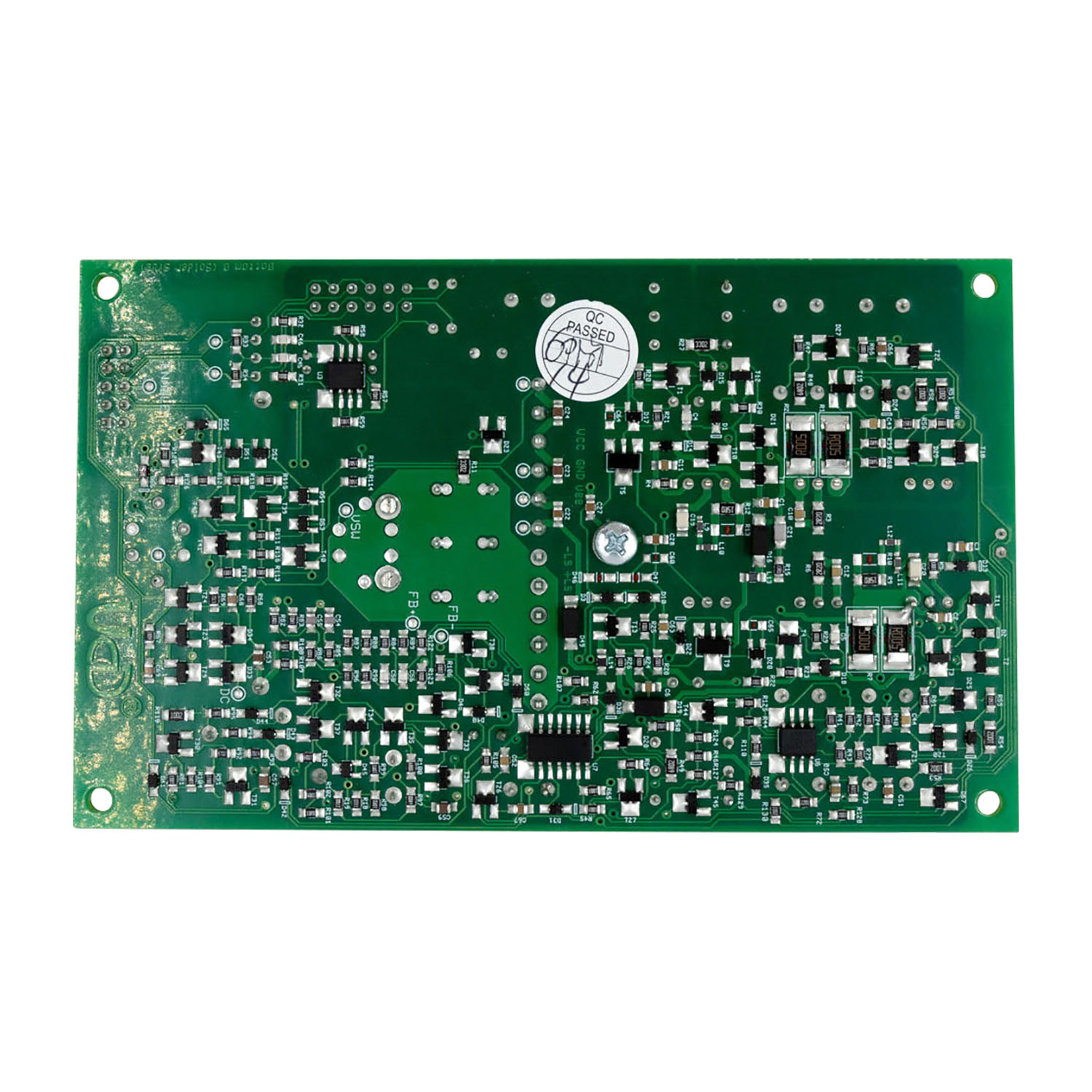
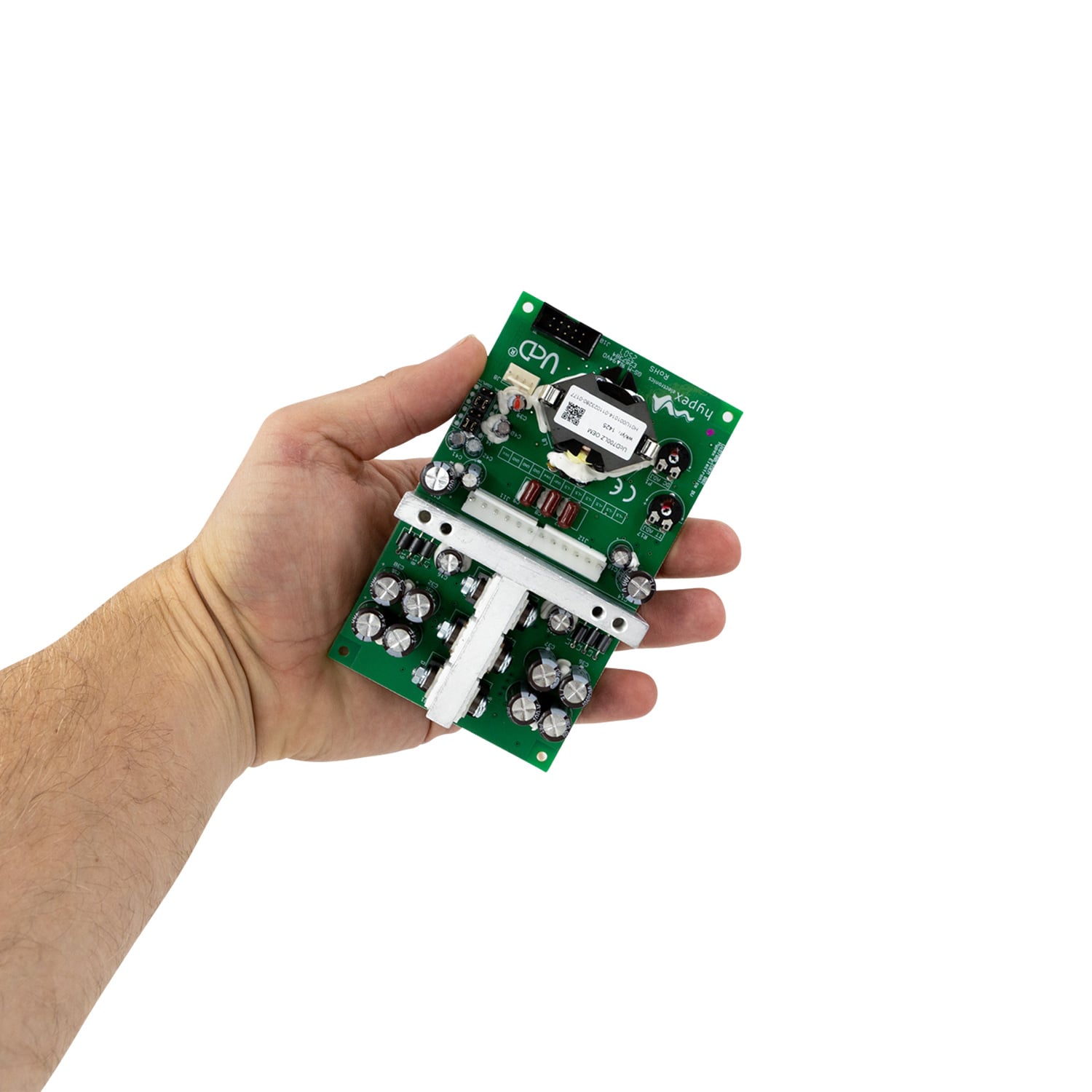
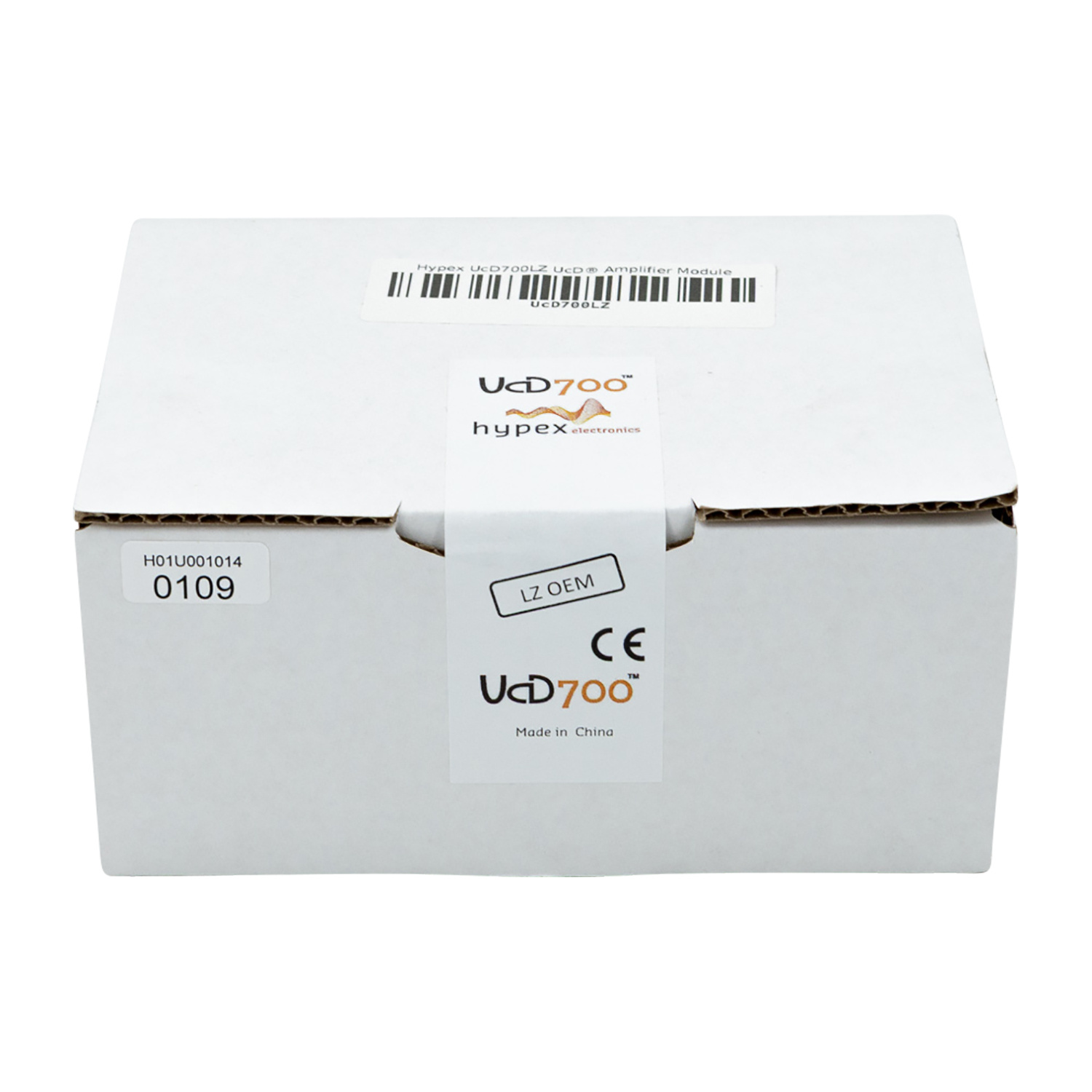
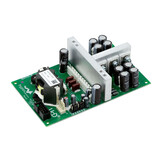
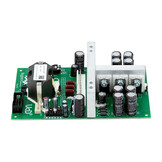
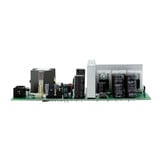
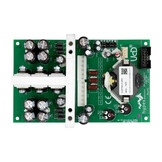
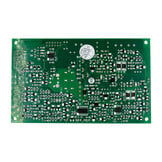
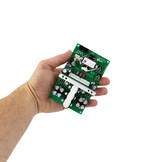
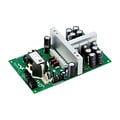
The Hypex UcD700LZ is a high-power Class D amplifier module with enhanced low-impedance drive capability, delivering up to 1200 W into 2 Ohms for demanding professional, studio and high-power home audio systems.
Highlights of the Hypex UcD700LZ
- Delivers up to 1 x 1200 W into 2 Ohms
- UcD™ Class D topology with flat, load-independent frequency response
- Very low noise and frequency-independent THD
- Differential audio input with buffered input stage
- Comprehensive protection against overcurrent, overvoltage, DC faults, overheating and short circuits
- Comes with UcD700LZ cable set
- Exclusively available from SoundImports as the only European retailer
Product details Hypex UcD700LZ
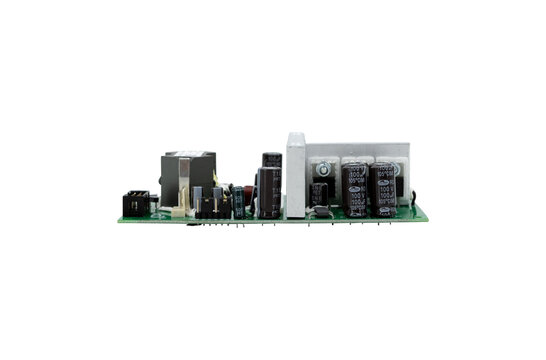
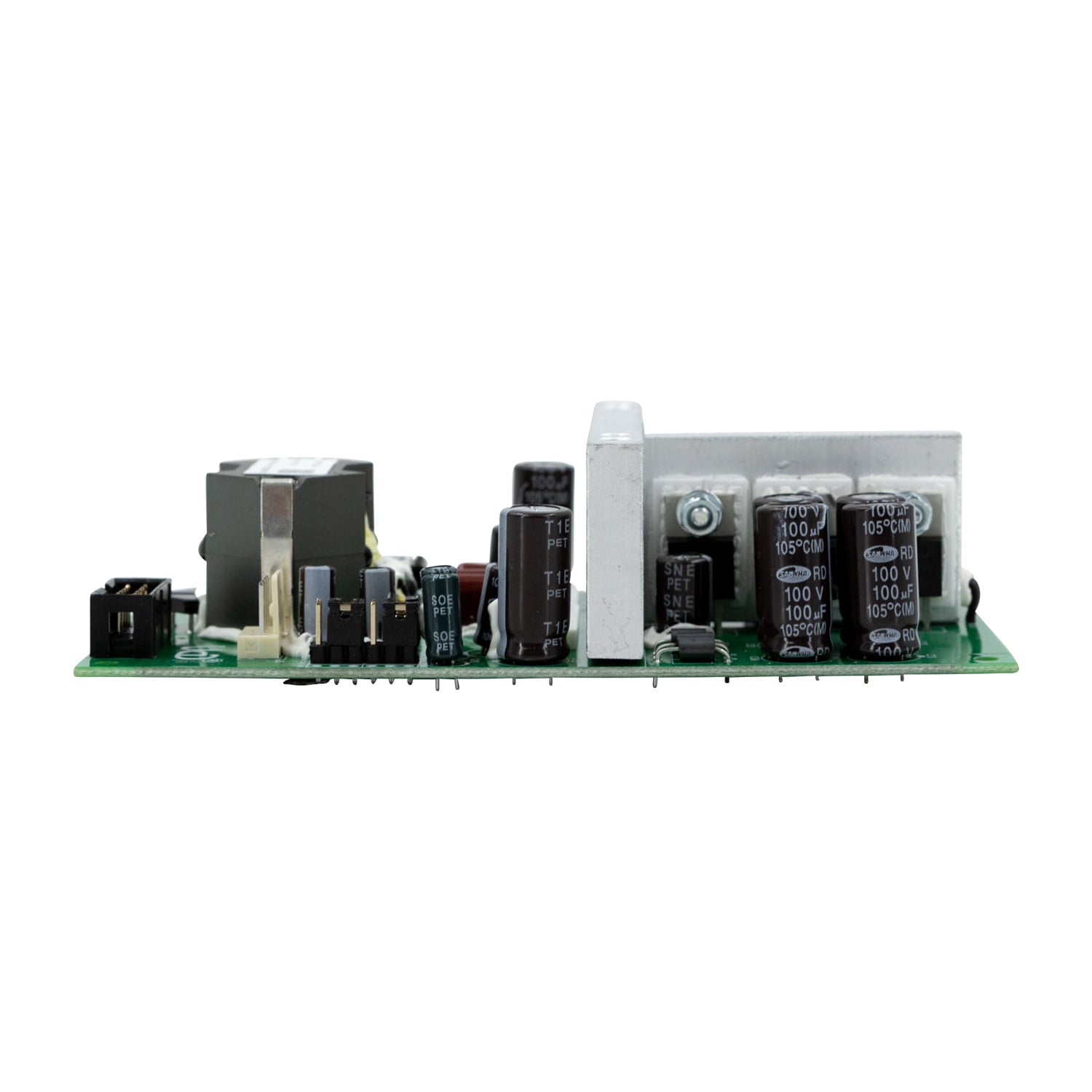
Hypex UcD700LZ 1x1200W Class D Amplifier Module
The Hypex UcD700LZ is designed for high-power amplifier modules applications where low-impedance load handling is essential. Its LZ design supports higher output current than standard UcD modules, making it suitable for demanding systems that require sustained performance into low impedance loads.
With up to 1 x 1200 W into 2 Ohms, 1 x 700 W into 4 Ohms and 1 x 440 W into 8 Ohms, the UcD700LZ offers serious output capability for professional audio, studio installations and high-power amplifiers. The module also supports bridged operation, with 2400 W into 4 Ohms and 1400 W into 8 Ohms, while BTL operation is not supported at 2 Ohms.
The UcD™ topology delivers a flat, fully load-independent frequency response from 10 Hz to 50 kHz at +0/-3 dB across all loads. Low output impedance, very low noise and very low frequency-independent THD help the module maintain clean, controlled performance in active loudspeakers, power amplifiers, line array systems, immersive systems, home theatre systems and multichannel amplifier builds.
Integration is supported by a differential audio input, buffered input, pop-free start and stop control and operation from unregulated +/- rails. The module is compatible with the Hypex SMPS3kA700 and SMPS1200A700power supplies, and includes protection for overcurrent, overvoltage, DC faults, over temperature and short-circuit conditions.
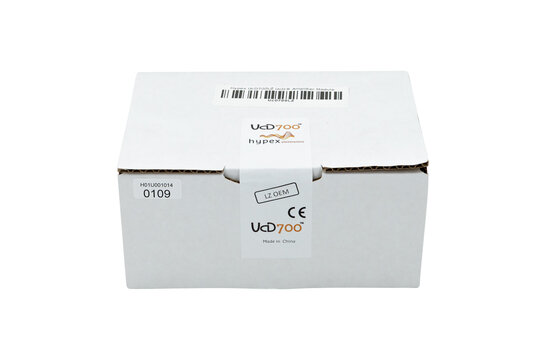
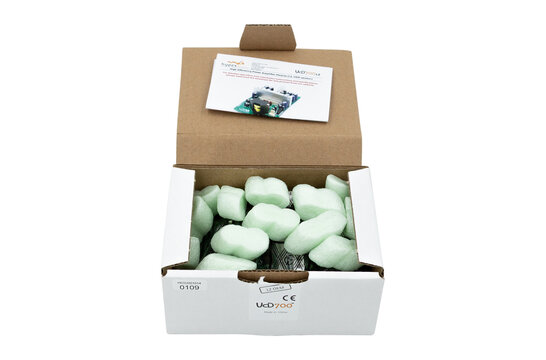
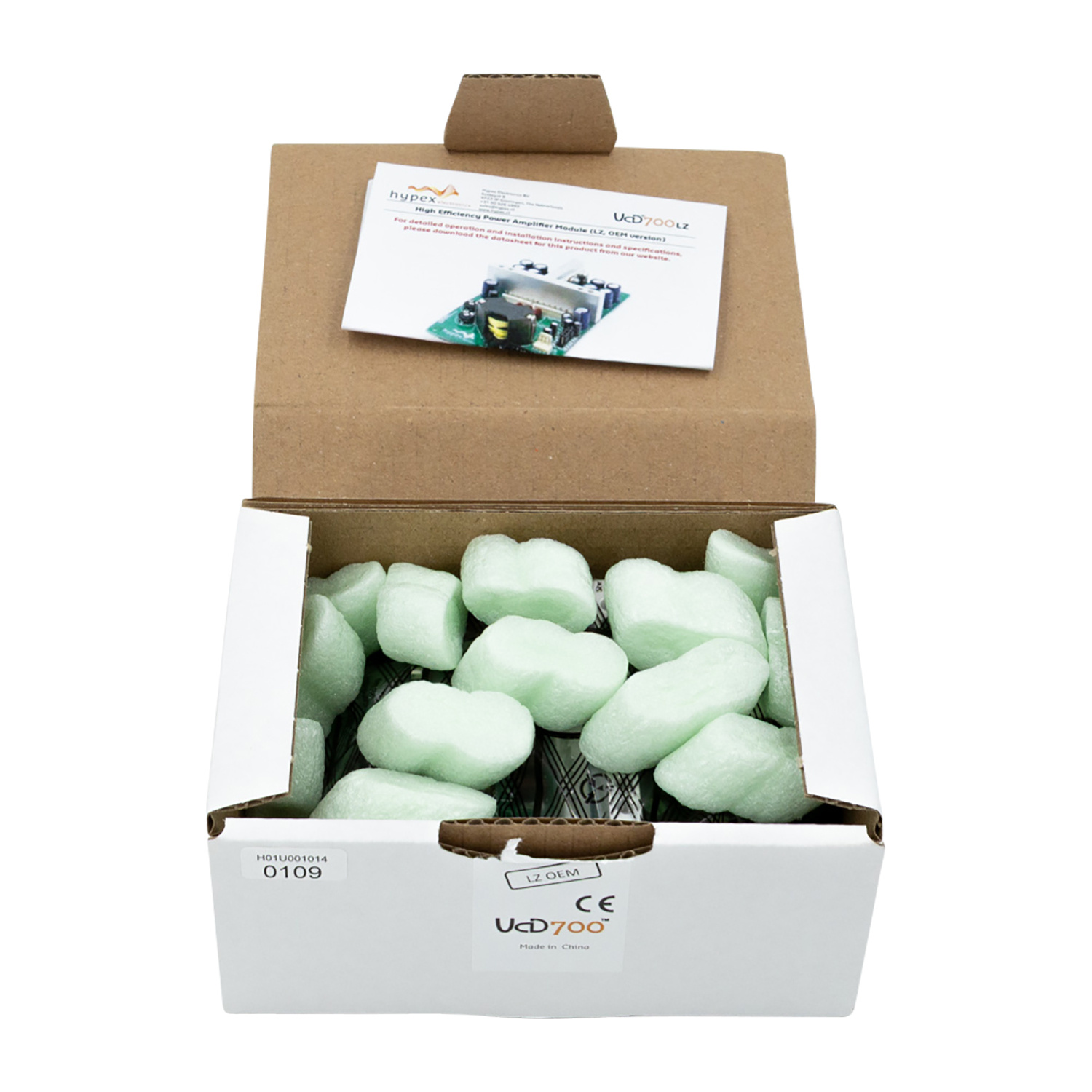
What’s in the box – Hypex UcD700LZ
1 × Hypex UcD700LZ amplifier module
1 × UcD700LZ cable set
1 × Manual


 New products
  Home audio
  Audio components
  Crossover components
  Test & measurement
  DIY kits
  Accessories
  SALE
SALE  New products
 Speakers
 Amplifiers
 DAC converters
 DSP modules
 Turntables
 Streamers
 Woofers
 Tweeters
 Exciters
 Bass shakers
 Plate amplifiers
 Amplifier modules
 Single board computers
 Assembled crossovers
 Printed Circuit Boards (PCB)
 Capacitors
 Resistors
 Coils
Coils Circuit Breakers
 Crossover tools
 Screw terminals
 Acoustic measurements
 Electric measurements
 Sound level meters
 DIY amplifier kits
 DIY component packs
 DIY speaker kit
 DIY subwoofer kits
 DIY bluetooth speaker
 DIY electronics kits
 Binding posts
 Cabinet Hardware
 Cables
 Connectors
 Speaker cabinets
 Electromechanics
 Power supplies
 Speaker repair
 Workshop & tools
 Amplifier accessories
 Stands & mounts
 Gift voucher
 Books
Books SALE
SALE









 New products
 Speakers
 Amplifiers
 DAC converters
 DSP modules
 Turntables
 Streamers
 Woofers
 Tweeters
 Exciters
 Bass shakers
 Plate amplifiers
 Amplifier modules
 Single board computers
 Assembled crossovers
 Printed Circuit Boards (PCB)
 Capacitors
 Resistors
 Coils
Coils Circuit Breakers
 Crossover tools
 Screw terminals
 Acoustic measurements
 Electric measurements
 Sound level meters
 DIY amplifier kits
 DIY component packs
 DIY speaker kit
 DIY subwoofer kits
 DIY bluetooth speaker
 DIY electronics kits
 Binding posts
 Cabinet Hardware
 Cables
 Connectors
 Speaker cabinets
 Electromechanics
 Power supplies
 Speaker repair
 Workshop & tools
 Amplifier accessories
 Stands & mounts
 Gift voucher
 Books
Books SALE
SALE